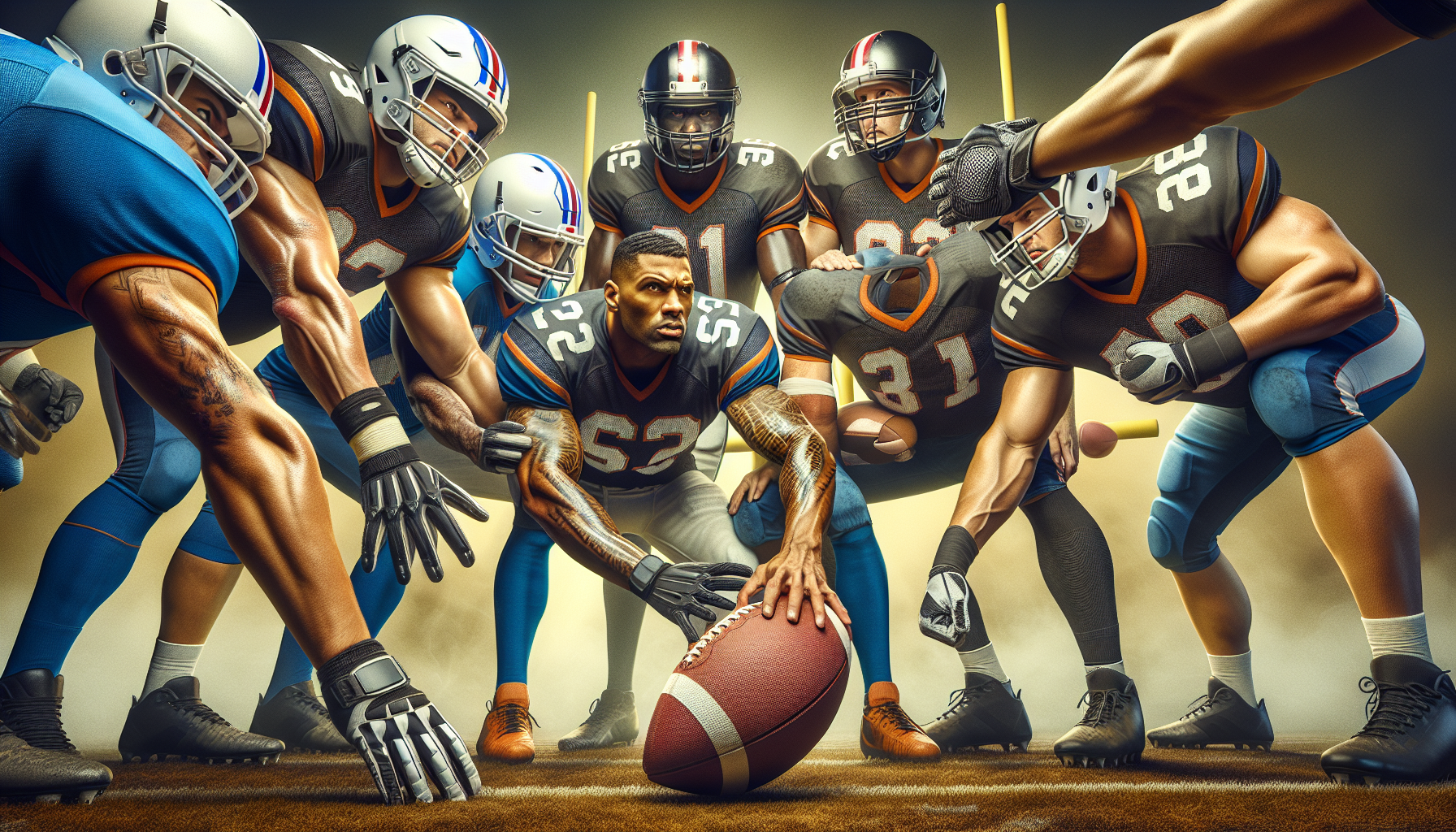
Unlocking the true essence of success lies within the intricate web of team dynamics. In the heart of every groundbreaking victory and monumental fall are the hidden currents of unity, camaraderie, and understanding. Join us as we delve into the captivating world where individual brilliance intertwines with collective harmony, defying the odds and shaping the very fabric of triumph on the gridiron. Welcome to an exploration of the pulsating pulse of the NFL – where team dynamics reign supreme.
Understanding Team Dynamics: The Driving Force Behind NFL Success
In the NFL, where every game is a battle and every season a marathon, the unseen intricacies of team dynamics often spell the difference between fleeting success and sustained greatness. While individual talent can undoubtedly shine brightly, it is the synergy and cohesion of a team that creates sustained excellence. Understanding and optimizing these dynamics is essential for achieving growth and securing victories on the professional football stage.
The Ingredients of Team Dynamics
So, what truly makes up these elusive “team dynamics” that every successful NFL team must master? It comes down to a mix of personality diversity, leadership, communication, trust, and shared goals.
1. Personality Diversity
A team is a microcosm of varied personalities, each bringing unique strengths and potential weaknesses to the table. The dynamic flow hits its zenith when these personalities complement one another rather than clash. Understanding each player’s emotional intelligence, preferences, and working style fosters an environment where everyone can excel and contribute effectively. In a well-coordinated team, diverse personalities transform from potential friction points into powerful challenges that continuously drive the unit forward.
2. Leadership
At the heart of every great team is stellar leadership, both on and off the field. The coach sets the tone with their strategic vision and game plans, but player leadership, especially from the team captain and other veterans, galvanizes morale and instills a work ethic that younger players deem worth emulating. Leaders inspire, mentor, and demand accountability, creating a culture where laxity has no place and excellence is the expected norm.
3. Communication
Effective communication bridges the gap between strategy and execution. Transparent and frequent dialogue keeps everyone on the same page, reduces errors during clutch moments, and ensures that players react cohesively to the ever-changing scenarios on the field. Communication isn’t limited to words; non-verbal cues, eye contact, and intuitive understanding born from practiced synchronization all form the bedrock of game-time decision making.
4. Trust
Ultimately, a team devoid of trust is a fragile house of cards ready to collapse under pressure. Trust is built through reliability, shared experiences, and transparent honesty. Whether it’s trusting the quarterback to make the game-winning pass or believing that every lineman will hold their position against relentless opposition, this steady bedrock of trust enables teams to perform cohesively under duress.
5. Shared Goals
Every team member must be aligned with the overall mission: winning. However, it transcends beyond the simplistic notion of winning games to the broader objectives held by the team, whether that entails winning the Super Bowl, fostering a positive locker room culture, or exemplifying sportsmanship. Shared goals solidify the collective commitment and ensure all gears in the machine turn in unison towards a common objective.
Strategies to Foster Positive Team Dynamics
Understanding the components of team dynamics is only half the battle; implementing strategies to harness these components effectively is equally critical.
1. Team-Building Activities
Structured team-building activities off the field help in creating bonds that translate well onto the field. Activities ranging from problem-solving challenges to trust exercises and even leisure outings can strengthen relational dynamics and improve on-field synergy.
2. Performance Review and Feedback Loops
Feedback, both constructive and positive, should be an ongoing process. Regular performance reviews ensure that players are aligned with their personal and collective goals. They also offer transparency in expectations, concise areas of improvement, and acknowledgment of excellent contributions, further consolidating trust and open communication.
3. Mentorship Programs
Veteran players hold an arsenal of experiences and insights valuable for younger or less experienced teammates. Structured mentorship programs facilitate this precious knowledge transfer, fostering not just personal improvement but also enhancing the team’s overall performance and coherence.
Real-World Implications of Strong Team Dynamics
Examples of successful NFL teams display outstanding team dynamics. The New England Patriots under Coach Bill Belichick showcased remarkable cohesion backed by clear communication, exceptional leadership in Tom Brady, and a mutual trust that exemplified their numerous victories. Similarly, the Kansas City Chiefs under Andy Reid reveal that even dynamic, high-octane offenses require more than just speed and strength; they need impeccable synchronous execution of plays born from strong team dynamics.
### Engaging with the Community
Understanding and discussing team dynamics isn’t just for players and coaches. Fans play an undeniable role in the psychology of the team. Strong community connections and unwavering support can lift a team’s spirits in adverse situations, acting as the mystical “twelfth man” on the field. This interconnectedness between team dynamics, community support, and success is integral to a positive sporting culture.
To stay tuned with in-depth analysis, breakdowns, and heartwarming stories centered on the NFL’s most essential elements, follow us on Facebook, X (Twitter), and subscribe to our YouTube channel.
Let’s continue to explore, understand, and cherish the essence of team dynamics, the unseen engine that drives NFL success into the annals of football history.